

Crossing multiple time zones disrupts your body’s natural clock, often causing jet lag. Jet lag affects sleep, leaving travelers tired and groggy, and impacts mood. You can commonly experience irritability. Digestion can also slow down, creating discomfort after meals. The circadian rhythm guides hormone release, energy levels, and sleep-wake cycles, so disturbing it triggers these effects. Common symptoms include headaches, fatigue, difficulty concentrating, and digestive issues. With this in mind, adjusting your schedule before departure helps your body adapt. Simple steps such as regulating sleep times, planning meals, and scheduling activities around local hours reduce jet lag’s impact. To stay healthy when crossing time zones should be any traveler’s priority. Travelers who prepare in advance experience smoother energy management and clearer thinking during trips across time zones.
How to Adjust Your Sleep Schedule Before Travel
Shifting your body’s internal clock before travel helps reduce jet lag and improve overall comfort. Gradually moving your bedtime and wake-up times toward the destination’s schedule gives your circadian rhythm time to adapt. Exposing yourself to natural light at the right times signals your
body when to feel alert or sleepy. Avoid late-night naps, which can confuse your internal clock and make adjusting harder. To reduce fatigue on arrival, use sleep aids carefully and only when necessary, avoiding dependency. Small changes in routine, such as adjusting meal times and morning activity, also support adaptation. Travelers who plan sleep schedules ahead experience smoother energy levels, improved focus, and less grogginess after crossing multiple time zones.
Staying Hydrated During Flights
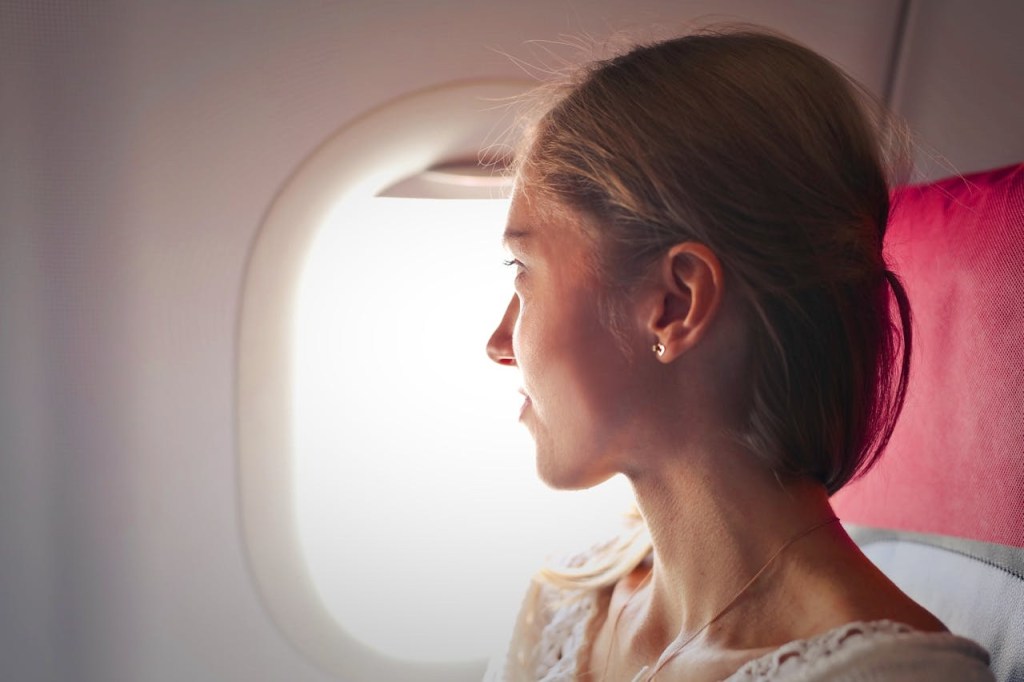
Airplane cabins have low humidity, which can dehydrate you. Therefore, a bottle of water is one of the essential items to pack for traveling. Drink water often to stay alert and avoid headaches. Limit alcohol and caffeine because they dry the body and disturb sleep. Eat water-rich foods like fruits and vegetables to support hydration. Besides, buy a reusable water bottle to refill after security checkpoints. Sip water steadily rather than drinking large amounts at once for better absorption. Stretch and walk around the cabin to improve circulation, which works well with staying hydrated. Sugary drinks can spike energy and cause crashes. Keeping your body hydrated during flights improves alertness, reduces fatigue, and helps your body stay healthy when crossing time zones and adjust to new time zones more easily.
Make Travel More Affordable While Staying Healthy
Planning ahead reduces stress and keeps your budget manageable. Choose flights and lodging that match your schedule to maintain rest and comfort. For this reason, you can make it more affordable
and find cheap ways to move cross-country without sacrificing sleep or nutrition. Bring healthy snacks and water to avoid expensive or unhealthy airport food. Schedule breaks during long drives or layovers to stretch and stay alert. In short, thoughtful planning combines cost savings with health-conscious decisions. Balancing budget and well-being helps you arrive energized, ready to adapt to local time, and fully enjoy your destination.

Simple In-Flight Exercises to Boost Circulation
When you sit for hours, your blood flow slows, and fatigue appears. Stretch your arms, legs, and shoulders to improve circulation. Walk up and down the aisle when possible to stay limber. Rotate your ankles and flex your feet while seated to prevent swelling. Small movements ease discomfort and support heart health. Try seated twists or shoulder rolls to release tension. Also, deep breathing increases oxygen flow and reduces stress. Pairing light exercise with hydration keeps your body functioning well during flights. Staying active while flying reduces jet lag, keeps energy steady, and helps your body adapt more quickly to new time zones.
How to Stay Active After Arrival
Gentle activity after landing helps reset your body clock and lifts your mood. Take short walks during the day to naturally feel awake. This way you can stay active and introduce yourself to local communities. Stretching and light exercise also ease stiffness from long flights. Hence, pacing activity prevents exhaustion while supporting adaptation to local time. Avoid intense workouts on
the first day, which can tire you out. Another key point is that outdoor activity combines movement and natural light, which helps regulate your sleep cycle. Plan moderate activity around meals and short naps to maintain energy. Gradually increase intensity over a few days to recover fully. Staying active after arrival boosts alertness, supports digestion, and reduces jet lag, making travel healthier and more enjoyable.

Exposure to Natural Light to Reset Your Body Clock
Sunlight tells your body when to be awake and when to sleep. Morning exposure signals alertness, while evening light can delay sleep if needed. Similarly, open curtains immediately upon waking to reinforce your circadian rhythm. Avoid bright screens late at night, which confuse sleep signals. Spend time outdoors for short walks or light exercise to improve mood and energy. Exposure to natural light helps the body adjust faster to new time zones. Combining sunlight with hydration and healthy meals makes jet lag easier to handle. Using light intentionally supports better sleep, higher energy, and overall health during travel.
Mindful Practices to Reduce Stress While Traveling
Stress worsens fatigue and jet lag symptoms, especially when you’re traveling to a place for the first time. Practice deep breathing, meditation, or gentle stretches to calm your mind. Listen to soothing music or podcasts to lower anxiety. On the other hand, avoid over-scheduling the first day to reduce overwhelm. Short power naps of 15–20 minutes restore energy without disturbing
nighttime sleep. Stay flexible while following your new schedule. Mindful breathing and quiet reflection improve focus, support digestion, and maintain energy. Travelers who manage stress effectively sleep better, feel more alert, and adjust faster to local time. Using simple mindful practices keeps the body and mind balanced throughout travel.
Practical Habits to Stay Healthy When Crossing Time Zones
Following proper sleep, hydration, nutrition, and light strategies helps travelers adjust faster. Mindful activity and stress management enhance comfort and energy. Above all, these practices make it easier to stay healthy when crossing time zones, reduce jet lag, and maintain focus, mood, and overall well-being during travel.
 Mark's Travel Journal