

Travel by road continues to attract people who value control over pace and experience. Scenic Road Trips Across North America allow travelers to move through regions gradually rather than skipping over them. Each stretch of road reveals subtle changes in climate, architecture, and daily life. This form of travel encourages attention rather than urgency. Drivers shape their own schedules without external pressure. Over time, the road itself becomes part of the reward. That freedom explains why road trips remain relevant across generations.
Laying the Groundwork for a Successful Drive
A successful journey begins with intention rather than distance. When you plan a perfect road trip, the goal should focus on comfort and continuity. Long drives feel manageable when expectations match reality. Clear priorities reduce unnecessary detours and fatigue. A steady pace allows the route to unfold naturally. Planning rest, meals, and overnight stops supports consistency. Preparation makes flexibility possible rather than stressful.
Why Driving Helps Ease Major Relocation Changes
Driving long distances often supports life transitions more than quick flights, especially when leaving Florida for a new chapter in Canada. When people prepare for a major move, the journey itself can offer structure and clarity. In truth, in cases that involve relocating up north, such as moving from Florida to Canada, the drive creates a natural pause to think through practical realities like immigration requirements, the cost of moving, and clear housing differences between Florida and Canada.
Climate shifts unfold gradually as you move away from Florida and approach Canada, while changes in daylight, landscapes, and daily rhythm reinforce the sense of progress. This steady adjustment lowers emotional strain. The uninterrupted time on the road allows space to process the move, so arriving in Canada feels less abrupt and more intentional than leaving Florida in a single moment.
Coastal Roads and the Influence of Water
Coastal highways maintain appeal because water shapes the driving experience. Roads follow natural contours instead of straight lines. Light changes quickly as clouds move across open horizons. Small fishing towns introduce natural pauses for rest and food. Weather influences pacing throughout the day. Ocean proximity keeps drivers alert without putting pressure on them. These routes feel active and responsive rather than static.
Comfort and Continuity for Every Type of Trip
Comfort on long drives depends on consistency rather than excess. Must-have packing essentials for every type of trip support stability. Layered clothing adapts to changing temperatures. Organized storage reduces delays during stops. Reliable food options prevent rushed decisions. Navigation backups protect against weak signals. Preparation supports calm routines. Small choices improve endurance over time.
Iconic Coastal Routes That Shape Travel Experience
Some coastal roads stand out due to the balance between access and scenery. The Pacific Coast Highway in California runs along cliffs and the shoreline, linking major cities with quiet towns. Farther north, the Oregon Coast Highway traces beaches and working harbors across Oregon. On the Atlantic side, the Cabot Trail in Nova Scotia forms a loop through coastal highlands. These drives feel varied without becoming overwhelming. Stops occur naturally rather than by force. Each mile rewards steady attention.
Mountain Highways That Demand Control and Awareness
Mountain roads change driving behavior through elevation and weather. Going-to-the-Sun Road in Glacier National Park combines narrow lanes with strict speed control. In Colorado, the San Juan Skyway links historic towns across high passes. The Icefields Parkway in Alberta connects Banff and Jasper through wide valleys. Weather shifts rapidly at altitude. Drivers adjust pacing constantly. These roads reward patience and preparation.
Desert Highways and the Value of Simplicity
Desert routes emphasize distance rather than detail. U.S. Route 50 across Nevada stretches through long, uninterrupted terrain. Badwater Road in Death Valley National Park presents dramatic elevation changes. Historic Route 66 through Arizona blends open desert with preserved roadside stops. Heat influences travel schedules, which makes fuel planning critical and keeps the experience stripped down and focused.
Forest and Lake Drives With Seasonal Identity
Forested routes feel enclosed and immersive. The Blue Ridge Parkway runs through North Carolina and Virginia with controlled access points. Minnesota’s North Shore Scenic Drive follows Lake Superior in Minnesota. Highway 60 through Algonquin Provincial Park places wildlife close to the road. Seasonal changes affect light and color, while shifting weather alters traffic patterns and allows nature to set the pace.
Choosing Timing Carefully
Timing influences comfort and cost. Traveling off-season reduces congestion on popular routes. Lodging availability improves without peak demand. Roads feel calmer and less pressured. The weather often remains manageable during the shoulder months. Local interactions feel more personal. Slower rhythms support deeper engagement. Timing decisions shape the overall tone of the trip.
Prairie Routes and Interior Highways
Interior highways prioritize consistency. Long stretches across the Great Plains in the United States offer predictable driving conditions. The Trans-Canada Highway through Saskatchewan emphasizes open horizons. Towns appear at measured intervals. Visual repetition reduces distraction, keeps fuel planning simple, and allows progress to feel steady and controlled.
Historic Roads and Cultural Continuity
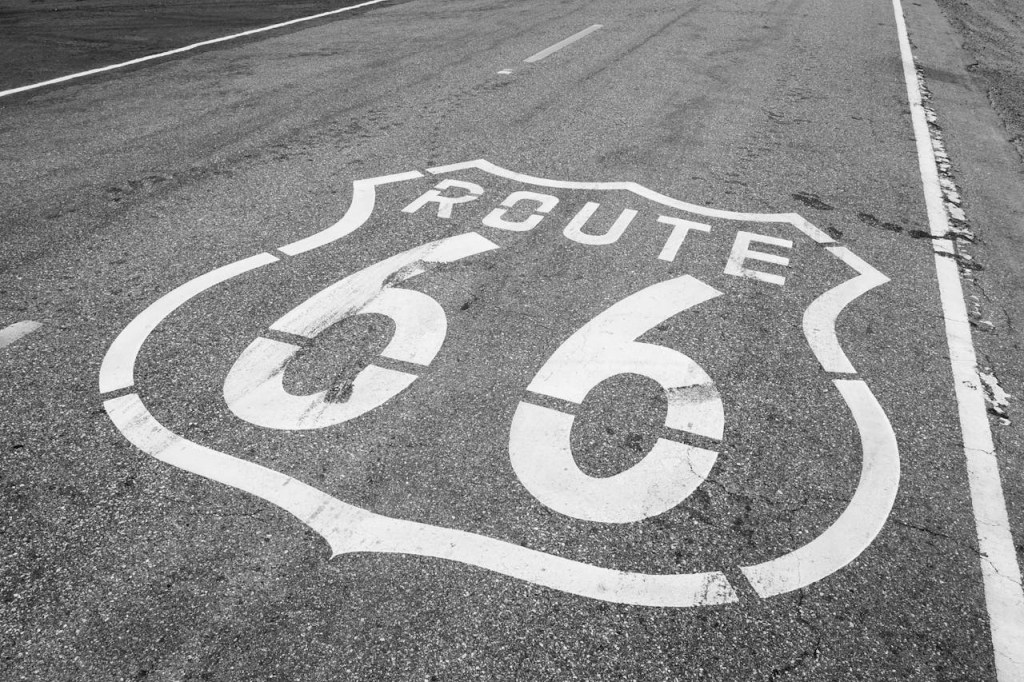
Some routes remain relevant because of shared memory. Route 66 preserves diners, signage, and community identity. The Lincoln Highway reflects early transcontinental travel. In eastern Canada, the Cabot Trail blends heritage with modern access. These roads encourage slower pacing. Stops feel intentional rather than transactional. History adds depth to movement by connecting travel with both past and present.
Urban Approaches and Gradual Arrival
Approaching cities by road creates a gradual transition rather than an abrupt shock. Traffic density increases steadily as suburbs give way to denser areas. Infrastructure becomes more complex closer to city centers, which demands greater attention from drivers. Navigation requires focus rather than speed as lanes and exits multiply. Skylines emerge in stages instead of appearing all at once. Suburban stretches soften the shift into dense urban zones. After long drives, arrival feels earned rather than sudden, marking a change without interruption.
Wildlife Awareness and Safety
Scenic routes often cross active ecosystems, where animal movement increases during early and late hours. Regional signage reflects these patterns and signals the need for caution. Reduced speed lowers collision risk and improves reaction time. Alert driving protects both travelers and wildlife. Over time, this awareness becomes habitual rather than forced. Safety integrates naturally into the experience. Careful driving supports enjoyment instead of limiting it.
The Ongoing Appeal of Scenic Road Trips Across North America
Despite modern transport options, scenic road trips across North America retain cultural value. They encourage engagement at a human pace. Travelers interact directly with regions instead of bypassing them. Roads reveal economic and social patterns through daily life. Each stop contributes to the local rhythm. Movement feels intentional rather than compressed. The experience supports presence.
Why Scenic Road Trips Across North America Remain Relevant
The strength of scenic road trips across North America lies in balance. Drivers control pace without rigid schedules. Roads support reflection alongside movement. Regions reveal themselves gradually. Each journey builds awareness through continuity. The experience lasts beyond arrival. The road remains the defining element.
 Mark's Travel Journal