
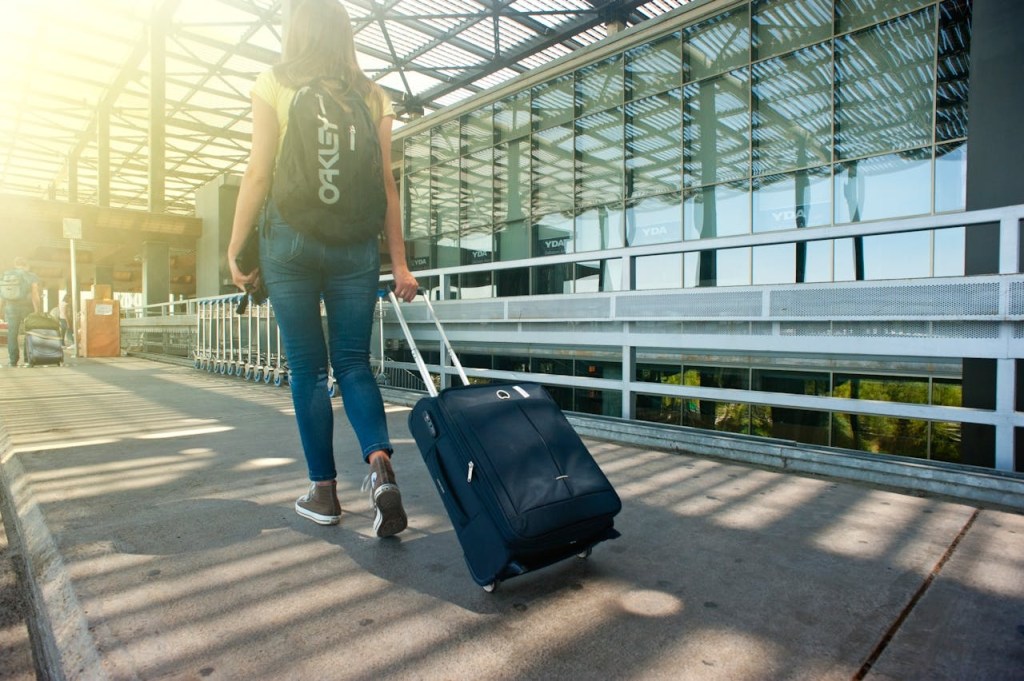
Large terminals, long lines, and tight schedules test your patience and courage when traveling solo. That is why learning practical tips for solo travelers helps you stay calm and confident. When you move through an airport with a plan, everything feels lighter. You save time. You avoid stress. You make smarter choices. This guide offers clear and useful advice for solo travelers navigating busy international airports. Let’s explore how to prepare before arrival, manage time wisely, deal with common travel emergencies, and handle unexpected delays. Whether you travel once a year or every month, these ideas support better airport experiences. The goal is simple: help you move with ease and enjoy the journey from start to finish.
Plan Ahead Before You Reach the Terminal
Preparation shapes your entire airport experience. Check your terminal and gate details before leaving home. Many large airports have multiple terminals far apart. Download the airport map on your phone. This saves time when signs feel confusing. Choose flights with longer layovers when possible. Extra time reduces stress during security or passport control. Pack smart so you avoid digging through bags at checkpoints. Keep travel documents easy to reach. Wear shoes you can remove quickly. Small choices add up fast. Planning ahead helps you feel in control, even in crowded spaces. You move with purpose instead of rushing. That confidence matters when traveling alone.
Handle Layovers Like a Pro
Layovers test patience, especially solo. Still, they can become productive breaks. First, confirm your next gate after landing. Gates change often. Set alerts on airline apps. Then plan your time. Short layovers call for staying near the gate. Long ones allow exploration. Some airports offer museums, gardens, or showers. Choose activities that match your energy. Avoid rushing across terminals for entertainment. Always return early. Good layover habits and following practical tips for solo travelers prevent missed connections and mental exhaustion.
Protect What You Leave Behind While Traveling Solo
When you travel often, safety planning goes beyond the airport. You also need to ensure safety while you’re away, especially when your home stays empty for long periods. Many solo travelers choose long-term storage for frequent travelers, so their personal items stay protected back home. Storing furniture, documents, or seasonal belongings in a secure facility lowers risks like damage, theft, or neglect. It also simplifies your living space, making departures faster and returns easier. Before choosing storage, look for climate control, clear access rules, and strong security measures. Preparing items properly also matters. Use labeled boxes and protective covers to avoid wear over time. Knowing your belongings are safe allows you to focus fully on your journey. This kind of planning brings peace of mind, which every solo traveler values when moving through busy international airports.
Move Through Security With Less Stress
Security lines cause the most tension for solo travelers. Still, you can reduce the hassle. Arrive early so time stays on your side. Place liquids in a clear bag before joining the line. Remove electronics early if required. Watch signs closely since rules vary by country. Follow instructions without rushing. Staff notice calm travelers and often move them through faster. Keep your boarding pass ready. Avoid repacking at the conveyor belt. Step aside if needed. These habits save minutes and mental energy.
Smart Time Management Inside Large Airports
Time awareness keeps solo travel smooth. Major airports feel like small cities. Walking between gates can take twenty minutes or more. Check walking times on airport apps or screens. Set reminders for boarding times. Avoid sitting far from your gate if your flight boards early. Still, use extra time wisely. Eat during quiet periods. Refill your water bottle after security. Visit restrooms before boarding announcements begin. When delays happen, stay flexible. Calm reactions help you think clearly. Time management reduces panic and helps you enjoy the airport instead of fighting it.

Choose the Right Spot to Rest or Work
Finding a good place to sit improves long waits. Look for seating near power outlets. Lounges offer comfort but may require access passes. Some airports provide quiet zones for rest. Libraries and prayer rooms often stay peaceful. Avoid high-traffic walkways. Place your bag between your feet or against a wall. This keeps it secure and visible. If you work while waiting, use privacy screens on devices. Choose areas with staff nearby. Smart seating choices increase comfort and reduce fatigue during long airport stays.
Stay Fed and Hydrated Without Overspending
Food choices affect energy and mood. Airport prices vary widely. Compare menus before ordering. Many airports list prices online. Bring snacks through security when allowed. Protein bars and nuts travel well. Drink water often since dry air causes dehydration. Refill stations appear in most international terminals. Avoid heavy meals before long flights. Light food supports better digestion. Eating smart keeps your focus sharp. Solo travelers benefit from steady energy levels. When your body feels good, travel feels easier.

Tech Tools That Make Airports Easier
Technology supports smoother solo travel, and packing smart for your next adventure means packing useful tech. Noise-canceling headphones block chaos. Tracking apps help monitor checked luggage. Still, stay aware of your surroundings while using devices. Technology works best as support, not a distraction. Download airline and airport apps before departure. Use digital boarding passes to avoid paper stress. Offline maps help when Wi-Fi fails. Translation apps assist in foreign airports. When tools serve you well, airport navigation feels less intimidating.
A Quick Reminder Many Travelers Forget
Many people overlook appropriate clothing during travel. Dress in layers. Airports vary in terms of temperature. Cold gates and warm shops feel uncomfortable fast. Layers let you adjust easily. Comfort matters when traveling solo since no one shares your burden. Small comfort choices reduce irritation.
Conclusion: Travel Smarter, Not Harder
Conclusion: Travel Smarter, Not Harder
Moving through major airports alone becomes easier with the right mindset. Using practical tips for solo travelers helps you stay organized, calm, and confident. Preparation supports smoother security checks. Time awareness prevents stress. Smart safety habits protect peace of mind. Comfort choices boost energy. Every small step adds up. Solo travel does not mean difficult travel. With planning and awareness, airports become manageable spaces instead of obstacles. Apply these ideas to your next journey. You will notice the difference from check-in to boarding. Travel feels lighter when you know what to expect and how to handle it well.
 Mark's Travel Journal